
Introduction
If you have type 1 diabetes, you need to be very careful about what you eat, when you eat, and how your meals affect your insulin. A well-planned meal plan for type 1 diabetes can help you keep your blood sugar levels stable, give you more energy, and improve your health in general. This guide will explain the basics of nutrition for type 1 diabetes, give you useful tips, and even give you a sample 7-day plan to help you eat better.
Understanding Type 1 Diabetes and Nutrition
People with type 1 diabetes have an autoimmune disease that stops their bodies from making insulin, which is the hormone that helps glucose get into cells for energy. You need to take insulin from outside your body, so the foods you eat directly affect how much insulin you need and how stable your blood sugar stays. A meal plan for type 1 diabetes focuses on:
- Matching how much insulin you take with how many carbohydrates you eat
- Selecting foods that provide a consistent energy release
- Staying away from sudden changes in blood sugar
Core Principles of a Type 1 Diabetes Meal Plan
When making a meal plan for type 1 diabetes, remember these things:
Counting carbs: Find out how many grams of carbs are in your meals so you can give yourself the right amount of insulin.
Balanced Macronutrients: To slow down how quickly your body absorbs glucose, eat carbs with protein and healthy fats.
- Portion Control: Eating a lot of even healthy foods can raise blood sugar.
- Meal Timing: Eating at the same times every day helps keep blood sugar levels stable.
- Fiber First: Foods high in fiber help keep spikes from happening too quickly.
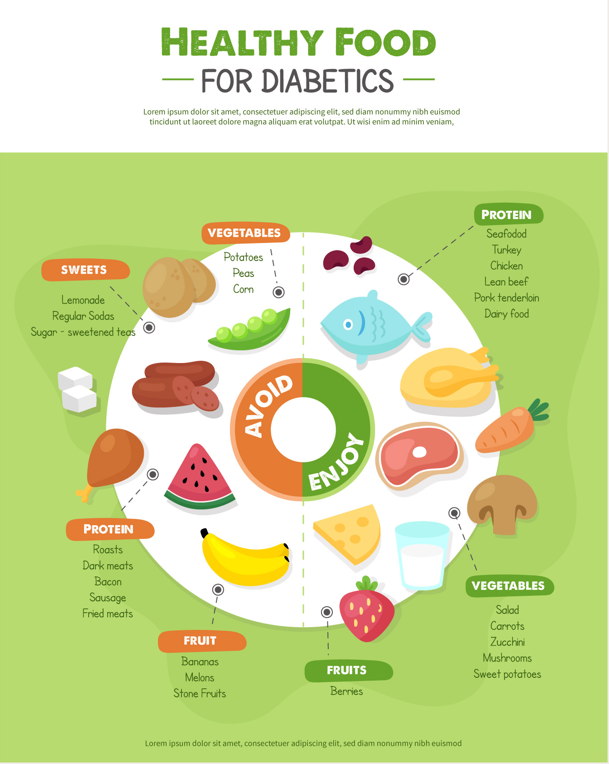
Foods to Include and Avoid
Add:
- Oats, quinoa, and brown rice are all whole grains.
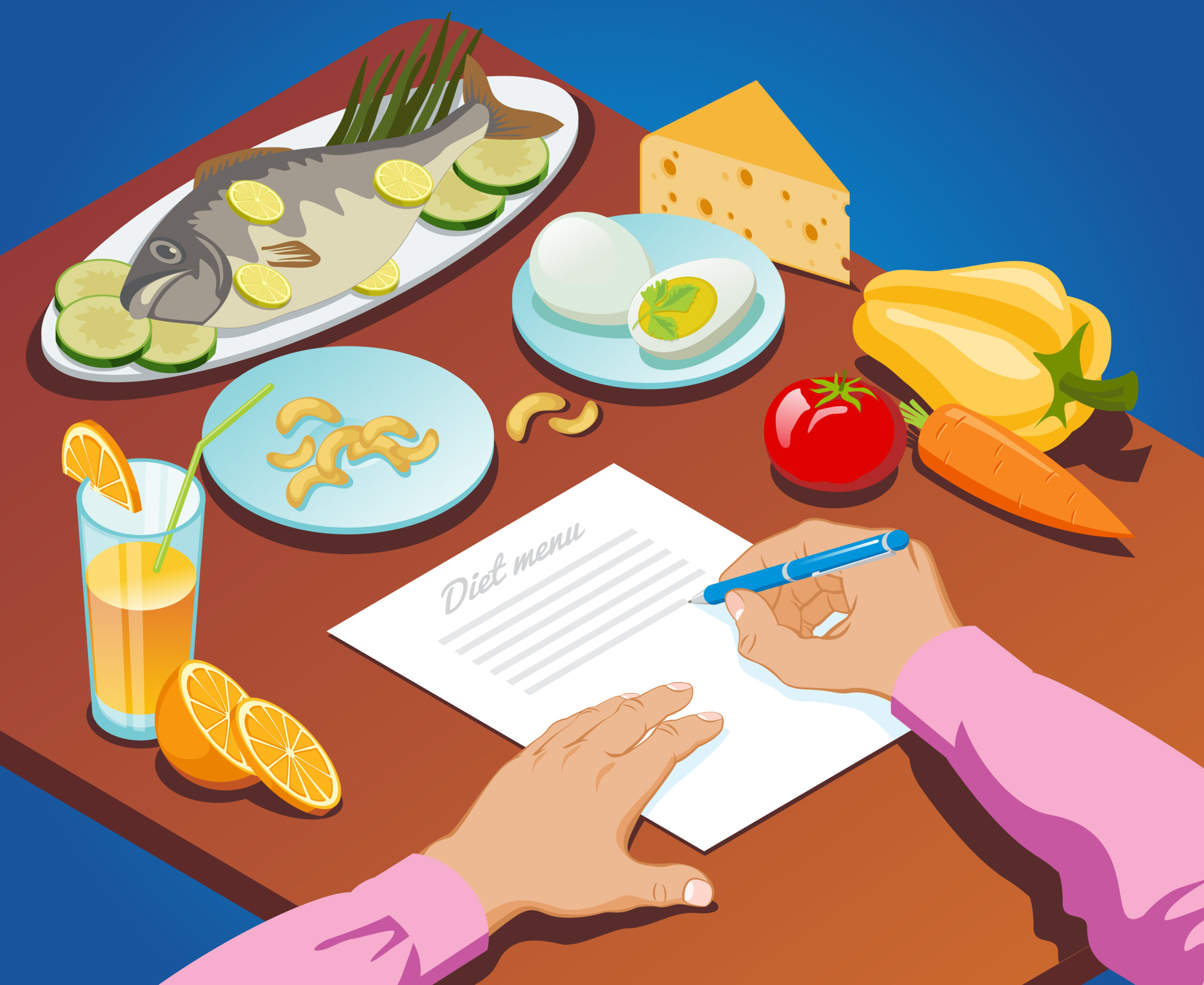
- Chicken, fish, tofu, and eggs are examples of lean proteins.
- Nuts, seeds, avocados, and olive oil are all good sources of healthy fats.
- Spinach, broccoli, and peppers are examples of non-starchy veggies.
- Fruits with a low glycemic index, like berries, apples, and pears
- Stay away from or limit:
- Sodas and sugary drinks
- White bread and pastries are examples of refined carbohydrates.
- Food that is deep-fried
- Highly processed snacks with added sweeteners
A balanced type 1 diabetes meal plan doesn’t mean cutting out all carbs – it’s about choosing the correct ones and matching them wisely.
Sample Meal Plan
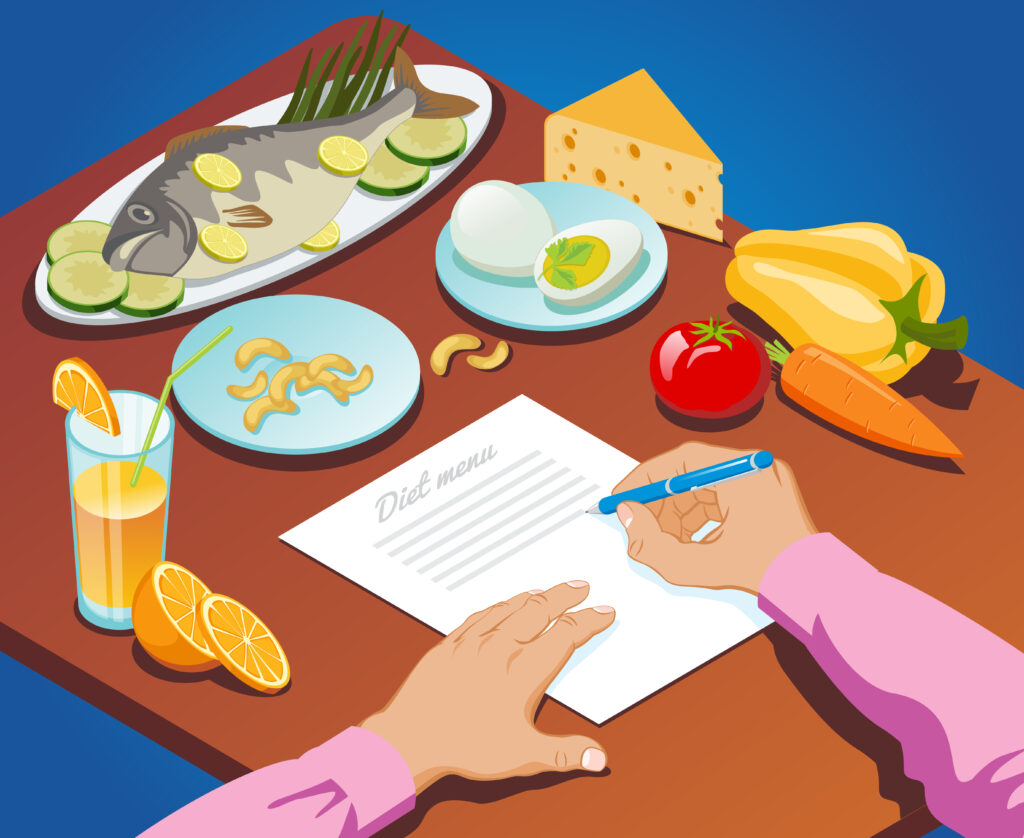
Here’s a simple 1-day example you can adapt:
| Meal | Food Ideas | Approx. Carbs |
|---|---|---|
| Breakfast | Scrambled eggs with spinach + 1 slice whole-grain toast | 15g |
| Snack | Greek yogurt with a handful of berries | 12g |
| Lunch | Grilled chicken salad with mixed greens, chickpeas, and olive oil dressing | 20g |
| Snack | Carrot sticks with hummus | 10g |
| Dinner | Baked salmon, steamed broccoli, and quinoa | 30g |
Repeat with variations to create a full 7-day type 1 diabetes meal plan.
Practical Tips for Meal Planning
- Plan Ahead: Prepare meals in batches to prevent making last-minute unhealthy choices.
- Examine labels to determine serving sizes and carbohydrate content.
- Utilize apps to monitor blood sugar patterns and carbohydrates.
- Pack Snacks: In case of an emergency, keep low-carb protein bars, almonds, or seeds close at hand.
- Stay Hydrated: Water helps to control blood sugar and general wellness.
Lifestyle and Long-Term Success
- Meal plans for people with type 1 diabetes are most effective when accompanied with:
- Frequent exercise increases energy levels and insulin sensitivity.
- Regular Monitoring: Track the effects of meals with a glucose meter or continuous glucose monitor.
- Flexibility: Modify your strategy for special events guilt-free by adjusting your insulin and carbohydrate consumption appropriately.
- Professional Advice: For individualized modifications, consult a dietician.
Conclusion
Managing type 1 diabetes doesn’t mean giving up your favorite foods — it’s about making informed
FAQ Section
1. What is the best meal plan for type 1 diabetes?
A balanced type 1 diabetes meal plan includes high-fiber carbs, lean protein, healthy fats, and non-starchy vegetables, tailored to your insulin needs.
2. How many carbs should I eat per meal?
Most adults aim for 45–60g of carbs per meal in a type 1 diabetes meal plan, adjusted for activity and insulin sensitivity.
3. Can I eat fruit with type 1 diabetes?
Yes — choose low-glycemic fruits like berries, apples, and pears, and pair them with protein or healthy fats.
4. What snacks are best for type 1 diabetes?
Protein- and fiber-rich snacks such as nuts, Greek yogurt, hummus with veggies, or cheese with whole-grain crackers.
5. How do I prevent blood sugar spikes after meals?
Pair carbs with protein/fats, choose low-GI foods, watch portions, and time insulin correctly.
6. Is intermittent fasting safe for type 1 diabetes?
It can be risky — only attempt under medical supervision with careful insulin and blood sugar monitoring.
7. What should I eat before and after exercise?
Before: slow-digesting carbs like oatmeal or whole-grain toast. After: carbs plus protein, such as banana with peanut butter or yogurt with berries.