


If “I can smell myself through my pants” is a thought you’ve had, you’re not alone. Many of us experience this concern at some point, especially during certain phases of our menstrual cycle.
All vaginas naturally produce scents. In fact, vaginal odor often varies throughout your menstrual cycle. However, understanding the difference between normal and abnormal odors is crucial for your reproductive health. A strong, unpleasant, fishy smell that persists for several days isn’t typical and might indicate an issue like bacterial vaginosis (BV) or trichomoniasis, which are the most common causes of concerning vaginal odors.
In this guide, we’ll explore why you might notice changes in your scent during ovulation, what’s completely normal, and when you should consider talking to a healthcare provider. Additionally, we’ll share practical tips to help you manage your natural scent and prevent potential infections that could affect your vaginal health.
What is vaginal odor and why it changes
Every vagina has its own distinctive aroma that naturally shifts and changes. This reality is often overlooked in a world where feminine hygiene products suggest we should smell like flowers or nothing at all. The truth is much more nuanced and fascinating.
Understanding your natural scent
Your vagina naturally produces a scent that’s unique to you. Most women have a musky or fleshy natural fragrance that varies from person to person. Think of it as your personal signature—one that serves important biological functions.
The natural scent of your vagina communicates information about your lifestyle, activities, and overall health. Furthermore, this scent isn’t static; it evolves throughout your life in response to numerous factors. Your vaginal odor frequently changes during your menstrual cycle, after exercise, following sexual activity, and even as you age.
Many women unnecessarily worry about their natural vaginal aroma due to societal pressures and misinformation. Rest assured that a healthy vagina is supposed to have a scent—it’s simply part of having a functioning reproductive system.
What’s considered normal vs abnormal
Normal vaginal odors typically fall into several categories:
- Tangy or sour – Similar to fermented foods like yogurt or sourdough bread, this common scent comes from the same beneficial bacteria (Lactobacilli) that keep your vagina healthy
- Metallic – Particularly during menstruation, this coppery smell comes from iron in blood
- Sweet or bittersweet – Sometimes described as molasses-like or reminiscent of gingerbread
- Musky – A natural, earthy scent that might intensify with sweat or physical activity
Conversely, certain odors signal potential problems. A strong, persistent fishy smell often indicates bacterial vaginosis, the most common vaginal infection caused by bacterial overgrowth. Additionally, a rotten or decaying odor might suggest a forgotten tampon or another serious condition requiring medical attention.
The key distinction lies in persistence and intensity. Temporary changes in odor are typically normal, while strong, unpleasant smells that linger for days—particularly when accompanied by unusual discharge, itching, or burning—warrant a conversation with your healthcare provider.
How vaginal flora and pH play a role
Your vagina maintains a delicate ecosystem of microorganisms called vaginal flora. This dynamic bacterial community, primarily dominated by Lactobacillus species, creates an environment that protects against infections.
The pH balance in your vagina directly influences both its health and odor. For women of reproductive age, a healthy vaginal pH typically ranges from 3.8 to 5.0, making it moderately acidic. This acidity creates a protective barrier against harmful bacteria and yeast.
The Lactobacilli bacteria are the heroes in this story—they produce lactic acid and hydrogen peroxide, which maintain the acidic environment and prevent the overgrowth of harmful microorganisms. Consequently, when these beneficial bacteria are thriving, your vaginal odor usually stays within the normal range.
Multiple factors can disrupt this delicate balance, including:
- Menstrual blood (slightly alkaline)
- Semen (raises pH)
- Antibiotics (reduce beneficial bacteria)
- Scented products and douching
- Hormonal changes during menopause
- Diet and hydration levels
When pH levels shift toward a more alkaline state, harmful bacteria can multiply, potentially leading to infections like bacterial vaginosis and the accompanying unpleasant odors.
Understanding these natural processes helps explain why you might occasionally “smell yourself through your pants” without any cause for concern. Primarily, it’s simply your body’s way of maintaining its complex biological systems.
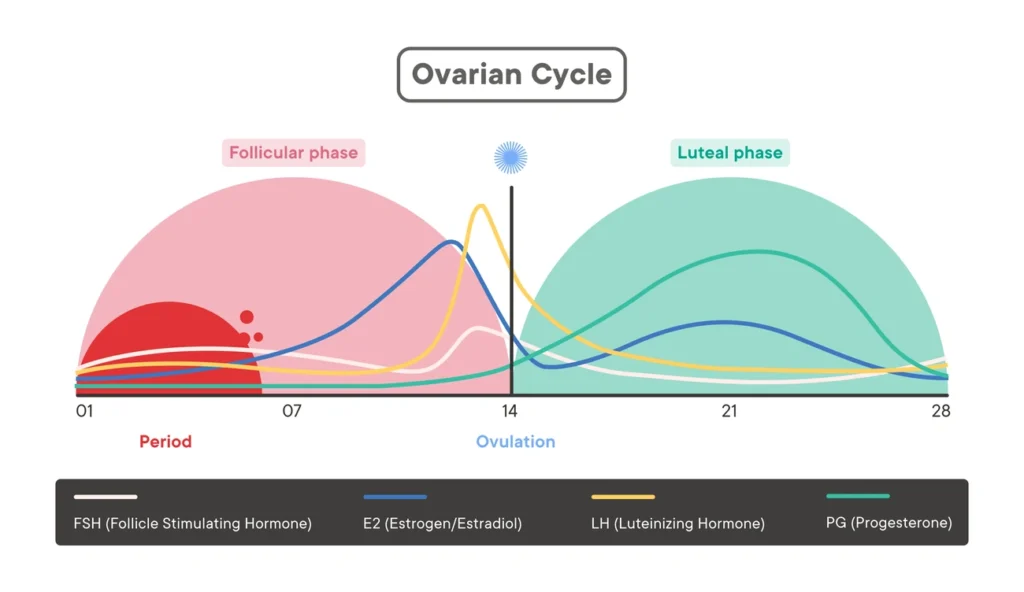
Ovulation marks a fascinating time in your menstrual cycle when your body undergoes subtle yet significant changes. One of these changes involves the scent of your vaginal area—something you might notice even through your clothing. Let’s examine why this happens and what it means for your body.
Hormonal shifts during ovulation
During ovulation, your body experiences a dramatic surge in estrogen levels that directly impacts your vaginal environment. As estrogen peaks just before the release of an egg, it affects the production of natural body oils and pheromones. This hormonal fluctuation is responsible for making vaginal odor more noticeable during this fertile window.
Interestingly, this change in scent isn’t just random. Scientific research suggests that men may perceive women’s bodily odor to be more attractive during the high-fertility ovulatory phase than during other phases in the menstrual cycle. This unconscious communication between sexes appears to serve a biological purpose, as studies have shown that the scent emitted from women during ovulation can actually increase testosterone secretion in men.
The hormonal dance happening inside your body creates subtle changes in your vaginal pH balance. As a result, the bacterial composition in your vagina slightly shifts, which can create a distinctive scent that differs from other times in your cycle.
Increased cervical mucus and its scent
Perhaps the most noticeable physical change during ovulation is the transformation of your cervical mucus. As you approach ovulation, your body produces more cervical fluid that becomes clear, stretchy, and slippery—often compared to egg whites. This change serves an important purpose: creating an optimal environment for sperm to travel through your reproductive tract.
While normal ovulation-related discharge is typically clear or white and odorless to mildly scented, you might notice a slight alteration in smell. Some women report detecting a mild “sweet” or “musky” aroma from their discharge during this time. Notably, the cervical mucus smell can vary based on factors such as diet, vaginal pH balance, and those same hormonal fluctuations we discussed earlier.
The increased volume of cervical mucus might also contribute to the sensation that you can “smell yourself through your pants.” This isn’t necessarily a sign of anything wrong—instead, it’s your body’s natural preparation for potential conception.
Heightened sense of smell during ovulation
Beyond producing different scents, your body also becomes better at detecting them. Many women experience a significantly heightened sense of smell during ovulation. This improved olfactory ability isn’t limited to your own body scents—research shows that as you get closer to ovulation, high estrogen improves your smelling ability overall, helping you detect more subtleties in various aromas.
Scientific studies have confirmed this phenomenon. One study published in Hormones and Behavior found that naturally cycling women near ovulation were more sensitive to musk and pheromones than women on contraceptives. Another researcher from the University of Ottawa noted, “I believe these variations in olfactory sensitivity are closely tied to the functions of the reproductive system, where the capacity to identify certain odors increases at times when procreation is more likely”.
Curiously, although your sense of smell generally improves during ovulation, this sensitivity can sometimes be a double-edged sword. At the peak of ovulation, fragrances might actually seem too overpowering due to your heightened sensory perception.
This biological synchronicity—producing distinctive scents while simultaneously enhancing your ability to detect them—demonstrates the remarkable way your body prepares for reproduction each month.
Common causes of odor changes during ovulation
There are several external factors that can affect your natural vaginal scent during ovulation. Understanding these influences helps explain why you might notice changes throughout your cycle.
Sweat and physical activity
Throughout ovulation, your body temperature rises slightly, leading to increased sweating—particularly in intimate areas. This natural process creates a perfect environment for odor development. Indeed, vaginal discharge often smells most pronounced midcycle.
Athletes or women who exercise regularly may notice this phenomenon more intensely. As one medical source explains, “Your vagina may give off a stronger odor after a workout”. This occurs because sweat glands in your groin area produce secretions that mix with normal ovulatory discharge, creating a musky aroma.
Tight clothing compounds this issue by trapping moisture and heat. For women who think “I can smell myself through my pants,” switching to breathable fabrics like cotton can make a significant difference.
Diet and hydration
What you eat directly impacts how you smell. Foods with strong aromas such as garlic, onions, and certain spices can alter your vaginal scent, making it more noticeable during ovulation.
Proper hydration is essential for minimizing odor. “A vagina that smells like ammonia may be a sign that you’re dehydrated”. Without sufficient water intake, waste materials in your system become more concentrated, affecting your natural scent.
Moreover, consuming too many sugary or processed foods can disrupt your vaginal flora by killing off beneficial bacteria. To maintain a healthy balance, consider incorporating fermented foods with probiotics like yogurt, which help increase good bacteria in the vagina.
Sexual activity and semen interaction
Sexual activity often coincides with ovulation and can temporarily alter your vaginal odor. After intercourse, semen—which is alkaline—can disrupt your vagina’s naturally acidic environment. This pH shift can create a distinctive post-sex odor that might persist for hours or even days.
Protection methods like condoms may leave subtle latex scents, while lubricants (especially flavored varieties) can also contribute to temporary odor changes.
Stress and hormonal imbalance
Stress triggers the release of cortisol and other hormones that can affect your vaginal health. These stress hormones decrease estrogen-related maintenance of vaginal lining and glycogen accumulation.
When stressed, your body produces a different type of sweat through apocrine glands located in the groin area. Unlike regular eccrine sweat, apocrine sweat contains more proteins and fats, creating a stronger odor.
Furthermore, chronic stress weakens your immune system, potentially disrupting the bacterial balance in your vagina. This imbalance commonly results in conditions like bacterial vaginosis, which causes a distinctive fishy odor.
When odor signals a problem
While occasional changes in vaginal scent are normal, certain odors demand attention. Unfortunately, distinguishing between typical fluctuations and genuine concerns isn’t always straightforward.
Signs of bacterial vaginosis
Bacterial vaginosis (BV) occurs when harmful bacteria outgrow beneficial ones in your vagina. The telltale sign is a persistent fishy odor that typically intensifies after sex. BV produces off-white, gray, or greenish-colored vaginal discharge. Nevertheless, up to 84% of people with bacterial vaginosis experience no symptoms whatsoever, making it easy to miss without regular checkups.
Trichomoniasis and other STIs
Trichomoniasis (“trich”) presents another common reason behind unusual vaginal odors. This sexually transmitted infection affects approximately 3.7 million people in the United States. The discharge typically appears clear, white, yellowish, or greenish with a distinctive fishy smell. Likewise, about 70% of infected people never develop noticeable symptoms.
Other STIs can produce similar warning signs. Chlamydia and gonorrhea sometimes cause yellow discharge with a strong odor. Subsequently, these infections might lead to pelvic inflammatory disease if left untreated.
Unusual discharge or irritation
Beyond odor, abnormal discharge often signals problems:
- Green, yellow or frothy: Typically indicates trichomoniasis
- Thick, white, cottage cheese-like: Suggests a yeast infection
- Grayish-white and thin: Points to bacterial vaginosis
Accordingly, unusual colors or textures warrant prompt attention, even if “I can smell myself through my pants” isn’t your primary concern.
When to see a doctor
- Has a strong, fishy smell (especially after sex)
- Persists for several days
- Comes with vaginal irritation, burning, or itching
- Accompanies unusual discharge color or consistency
- Occurs alongside pain during urination
Undoubtedly, seeking medical care is crucial since untreated infections may increase your risk of contracting HIV and other STIs or lead to complications during pregnancy.
How to manage and prevent unpleasant vaginal odor
Simple daily habits can make a significant difference in managing vaginal odor. Most importantly, maintaining vaginal health doesn’t require expensive products or complicated routines.
Good hygiene practices
The vagina cleans itself naturally by making mucous that washes away blood, semen, and vaginal discharge. For proper cleansing, wash only the external area (vulva) with warm water and possibly mild, unscented soap. Bathe or change clothes shortly after exercising to avoid sitting in hot, sweaty attire that creates an ideal environment for bacterial growth.
Avoiding douching and scented products
Despite what advertisers suggest, douching disrupts your vagina’s natural pH balance. In fact, doctors strongly recommend against douching as it can worsen infections by forcing bacteria deeper into your body, potentially causing pelvic inflammatory disease. Clearly, you should also avoid scented tampons, pads, powders, sprays, and feminine hygiene products that may increase infection risk.
Wearing breathable underwear
Opt for cotton underwear that absorbs moisture and allows air circulation. To clarify, synthetic materials like lycra and nylon can create a confined, non-breathable environment leading to irritation, rashes, and infection. For nighttime, consider wearing no underwear or loose cotton garments to improve airflow.
Staying hydrated and eating well
Drink plenty of water—at least 1.0-1.5 liters daily—to maintain proper hydration and prevent strong odors. Ultimately, your diet directly affects vaginal health. Consume fermented foods with probiotics like yogurt, which increase good bacteria in the vagina. In contrast, high-sugar diets can kill beneficial bacteria, causing imbalances that lead to yeast or bacterial infections.
Using protection during sex
For this purpose, condoms not only prevent STIs but also help preserve your vagina’s pH balance. Urinate after sex to flush out harmful bacteria, and wash your genital area with warm water and unscented soap afterward. This simple practice can reduce the risk of infections that might cause unpleasant odors.
Conclusion
Understanding your body’s natural changes throughout the menstrual cycle helps demystify concerns about vaginal odor. Consequently, noticing that “I can smell myself through my pants” during ovulation simply reflects your body functioning normally. Your heightened sense of smell during this fertile period actually makes you more aware of your natural scent changes.
Remember that every vagina has its own distinctive aroma that shifts naturally with hormonal fluctuations, physical activity, diet, and sexual interactions. Therefore, temporary changes rarely signal problems. However, fishy odors, unusual discharge, or persistent irritation deserve prompt medical attention as these might indicate bacterial vaginosis, trichomoniasis, or other infections.
Taking care of your vaginal health doesn’t require complicated routines or scented products. Instead, focus on simple habits like wearing breathable cotton underwear, staying hydrated, consuming probiotic-rich foods, and practicing gentle external cleansing with water. Above all, avoid douching or using scented feminine products that disrupt your natural pH balance.
Trust your body’s signals and knowledge about what’s normal for you. After all, these natural scent variations serve biological purposes and represent your reproductive system working exactly as designed. With awareness and basic self-care practices, you can maintain vaginal health while appreciating your body’s remarkable biological processes throughout your cycle.