

Did you know that testosterone levels in men naturally decrease by up to 1% every year after age 30? This gradual decline is just one of many hidden factors affecting men with low sex drive across America.
According to medical standards, healthy testosterone levels should range between 450 and 600 nanograms per deciliter (ng/dL), with anything below 300 ng/dL considered low. However, what causes low sex drive in men extends far beyond hormone levels alone. From chronic health conditions like obesity and diabetes to psychological factors such as depression and anxiety, the reasons behind diminished libido are often complex and interconnected.
Furthermore, when left unaddressed, low sexual desire can trigger a troubling cycle of physical and emotional challenges – including stress, relationship problems, and even erectile dysfunction. In this comprehensive guide, we’ll explore eight hidden factors that might be sabotaging your bedroom confidence and provide doctor-backed solutions to help reclaim your sexual wellbeing.
Low Testosterone Levels

The term “male hypogonadism” may sound clinical, but it simply refers to a condition where the testicles don’t produce enough testosterone—a key driver behind male sexual function. This hormonal deficiency affects approximately 40% of men over age 45 and ranks among the most misunderstood causes of diminished sexual desire.
Low testosterone levels and libido connection
Testosterone plays a crucial role in regulating male sexual response at both central (brain) and peripheral (body) levels. Multiple studies confirm that when testosterone levels fall below normal thresholds, libido typically follows suit. In fact, decreased sex drive is often the first noticeable symptom of low testosterone.
Clinical research demonstrates this connection conclusively. One meta-analysis examining testosterone therapy in hypogonadal men found significant improvements in sexual desire compared to placebo treatments. Additionally, the Sexual Function sub-trial of the Testosterone Trials showed that libido improved proportionately with increases in testosterone levels.
Interestingly, the benefits of testosterone therapy on libido appear to plateau after about three months of treatment. Moreover, men with the lowest starting testosterone levels typically experience the greatest improvements in sexual desire after treatment.
Symptoms of low testosterone in men
Beyond reduced sexual desire, low testosterone manifests through various symptoms that can significantly impact quality of life:
Primary sexual symptoms:
Infertility
- Erectile dysfunction (including absence of morning erections)
- Decreased spontaneous erections
- Delayed ejaculation
- Infertility
Physical changes:
- Decreased muscle mass and strength
- Increased body fat (especially visceral fat)
- Reduced body and facial hair
- Development of breast tissue (gynecomastia)
Mental and emotional effects:
- Fatigue and low energy
- Irritability or mood swings
- Difficulty concentrating
- Memory problems
- Depressed mood
While these symptoms overlap with other conditions, the American Urological Association notes that men with low testosterone (<300 ng/dL) are nearly twice as likely to develop erectile dysfunction compared to those with normal levels. Likewise, studies show men with low testosterone have higher rates of depression and experience it earlier in life
How to test and treat low testosterone
Diagnosis requires more than just symptoms—laboratory confirmation is essential. The American Urological Association defines low testosterone as levels below 300 nanograms per deciliter (ng/dL).
Testing protocol:
- Blood tests should be performed in the morning (before 10 a.m.) when testosterone levels naturally peak
- Multiple measurements on different days are recommended, as levels fluctuate
- For borderline cases, repeat testing shows normal results about 30% of the time
Once diagnosed, testosterone replacement therapy (TRT) offers several administration options:
- Skin gels: Applied daily to clean, dry skin
- Intramuscular injections: Administered every 1-2 weeks
- Transdermal patches: Applied daily
- Subcutaneous pellets: Implanted every 2-3 months
- Oral testosterone: Limited availability in the US
Primarily, men report improved libido, energy levels, and mood after beginning treatment. Nevertheless, TRT carries potential risks, including increased red blood cell production, acne, breast enlargement, and reduced sperm production.
For optimal results, regular monitoring through blood tests is recommended during the first year of treatment and annually thereafter. This ensures effectiveness while minimizing potential side effects.
Medications that reduce sex drive
Several categories of medications are known to diminish sexual desire in men:
- Antidepressants: Particularly SSRIs (selective serotonin reuptake inhibitors) such as paroxetine (Paxil) and fluoxetine (Prozac), which cause sexual side effects in approximately 58-70% of patients. Notably, many men discontinue these medications specifically because of sexual side effects—about 41.7% according to research.
- Blood pressure medications: Beta-blockers and thiazide diuretics frequently interfere with autonomic transmission, resulting in both reduced libido and erectile difficulties.
- Hormonal treatments: Medications like cyproterone used for prostate cancer treatment work by blocking testosterone action, intentionally reducing sexual desire as part of their therapeutic effect.
- Pain medications: Opioids like morphine and oxycodone significantly impact sexual function, with long-acting opioids creating nearly 5 times higher risk of developing low testosterone compared to short-acting varieties.
- Other common culprits: Cimetidine (Tagamet) for heartburn, spironolactone for high blood pressure, and glucocorticoids for inflammation can all decrease libido as an unwanted side effect.
How medications affect testosterone
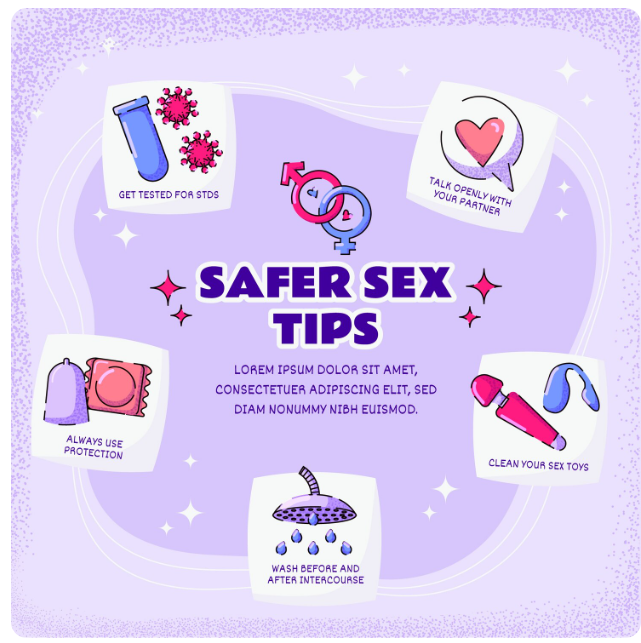
Prescription drugs can interfere with your sex drive through several distinct mechanisms:
First, many medications disrupt the hypothalamic-pituitary-gonadal axis—the control center for hormone production. By inhibiting hypothalamic neurotransmitters, drugs like opioids decrease gonadotropin secretion and stimulate prolactin release, both of which suppress normal testosterone production.
Second, certain medications directly impair testicular function. Antifungals like ketoconazole and heart medications can inhibit the enzymes involved in testosterone synthesis. Alcohol, though not a prescription medication, works similarly by directly impairing Leydig cell function in the testes.
Third, drugs affecting the sympathetic and parasympathetic nervous systems interfere with the physiological processes essential for arousal and performance. This explains why blood pressure medications so frequently cause sexual side effects—they’re specifically designed to affect these neural pathways.
Essentially, these medications create a cascade effect: lowered testosterone leads to reduced desire, which often triggers performance anxiety, potentially resulting in erectile dysfunction—thus creating a troubling cycle of sexual dissatisfaction.
What to do if your medication is the cause
If you suspect your medication is affecting your sex drive, consider these doctor-recommended approaches:
- Never stop medications abruptly. Suddenly discontinuing certain drugs, particularly antidepressants, can cause dangerous withdrawal symptoms.
- Discuss timing adjustments with your physician. Taking your medication after your typical time for sexual activity might help, as side effects often become less pronounced several hours before the next dose.
- Ask about dosage modifications. Your doctor might recommend lowering your dosage while still maintaining therapeutic benefits.
- Consider medication alternatives. For antidepressants, options with fewer sexual side effects include bupropion (Wellbutrin), mirtazapine (Remeron), vilazodone (Viibryd), and vortioxetine (Trintellix).
- Explore supplemental treatments. Men taking SSRIs might benefit from adding bupropion to their regimen, which can counter sexual side effects. For erectile issues specifically, medications like sildenafil (Viagra) or tadalafil (Cialis) may help.
- Investigate “drug holidays” for appropriate medications. One study found that discontinuing SSRIs on Friday and Saturday improved sexual function without worsening depression symptoms. However, this approach isn’t suitable for all medications or all patients.
Remember that both depression and anxiety themselves can cause sexual dysfunction even without medication. Therefore, treating these conditions effectively remains important for overall sexual health.
The mind-body connection plays a powerful role in male sexuality, with psychological health directly influencing physical desire. Clinical studies reveal that depression affects not just mood but also creates substantial impacts on sexual function, with approximately 63% of men with major depressive disorder experiencing some form of sexual dysfunction.
How depression lowers libido
Depression diminishes sexual desire through multiple physiological and psychological pathways. Among men with untreated depression, as many as half experience symptoms of sexual dysfunction. The primary mechanisms include:
- Neurochemical changes: Depression alters the same brain chemicals that regulate sexual interest and arousal
- Negative thought patterns: Depression promotes self-criticism and catastrophic thinking about sexual performance
- Fatigue and low energy: The exhaustion associated with depression makes sexual activity feel overwhelming
- Reduced mindfulness: Depression prevents being present during intimate moments, blocking physical response
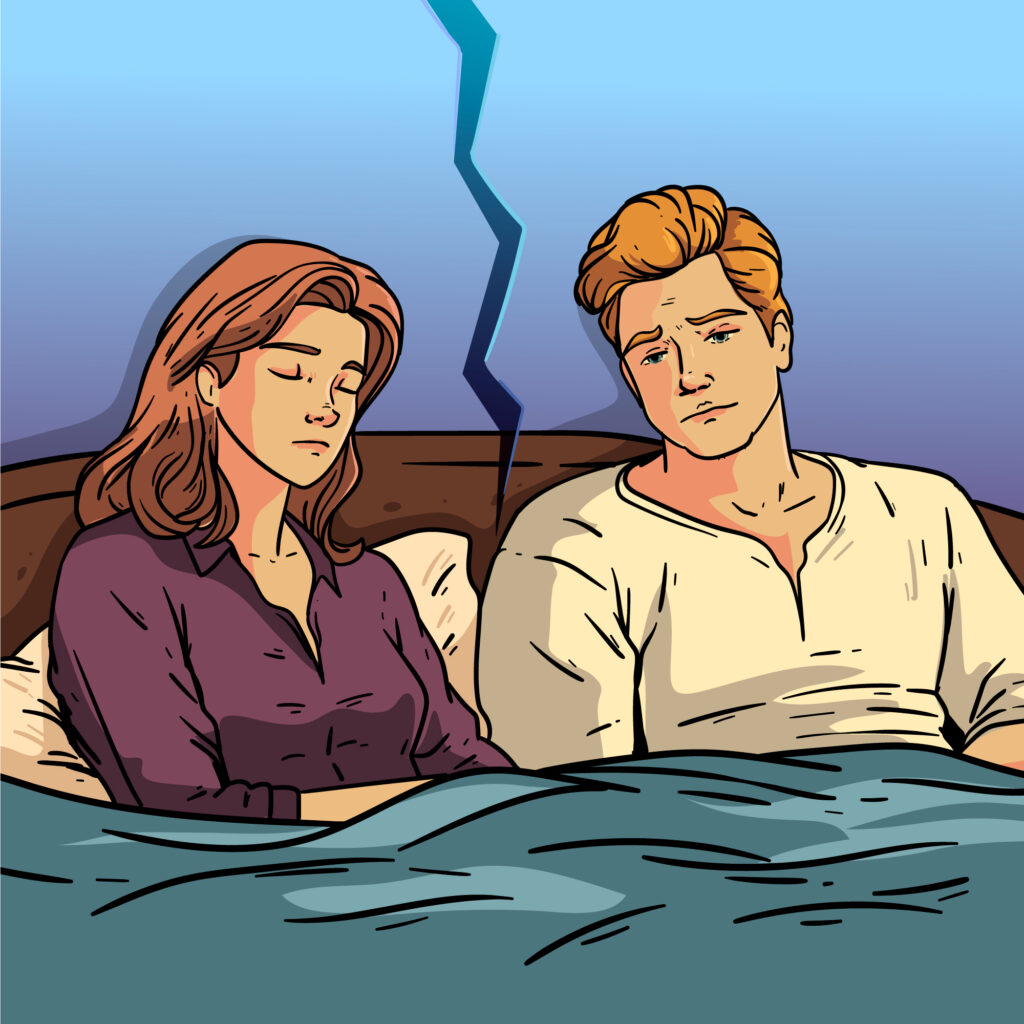
Consequently, this creates a troubling cycle—sexual dysfunction often triggers feelings of low self-esteem and worthlessness, subsequently contributing to worsening depression symptoms. Stress, anxiety, guilt, and low mood—all common symptoms of depression—lead to decreased libido and physiologically affect the ability to become aroused and reach orgasm.
Antidepressants and sexual side effects
Although antidepressants effectively treat depression, they often introduce additional sexual complications. Approximately two-thirds of men who experience depression and take medication also experience sexual challenges, ranging from reduced desire to orgasmic problems.
Different classes of antidepressants carry varying risks:
SSRIs (selective serotonin reuptake inhibitors) and SNRIs (serotonin/norepinephrine reuptake inhibitors) have the highest incidence of sexual side effects, ranging from 58% to 70%. Specifically, paroxetine (Paxil) has the highest rate at 70.7%, followed by citalopram (Celexa) at 72.7%, and sertraline (Zoloft) at 62.9%.
Alternatively, medications with fewer sexual side effects include bupropion (Wellbutrin) with only 14% reporting issues, mirtazapine (Remeron) at 24%, and moclobemide, a reversible MAOI, with the lowest incidence at just 3.9%.
The timing of these effects often creates treatment challenges—the therapeutic benefits of antidepressants typically take several weeks to appear, yet sexual side effects manifest almost immediately. This discrepancy leads many men to discontinue treatment prematurely.
Mental health treatment options
Despite these challenges, effective strategies exist for managing depression while maintaining sexual health:
Medication adjustments: If you experience sexual side effects, your doctor might:
- Prescribe the lowest effective dose of your current medication
- Switch to antidepressants with fewer sexual side effects like bupropion or mirtazapine
- Add a medication that counteracts sexual side effects
For instance, if you take Lexapro or Zoloft with good results for depression but experience decreased libido, your doctor might add Wellbutrin to counteract the sexual side effects.
Therapeutic approaches: Cognitive behavioral therapy (CBT) helps treat depression by teaching people to recognize and reframe unhealthy thought patterns. This approach addresses both depression and the negative thoughts that can interfere with sexuality.
Open communication: Perhaps most importantly, maintaining open dialog with both healthcare providers and intimate partners about sexual concerns proves critical. Although discussing sexual problems with doctors can feel uncomfortable, remember that these issues affect many people—you’re not alone.
Regardless of your approach, it’s vital to treat depression itself, as untreated depression impacts every aspect of life including relationships. Once the depression begins to improve, sexual function often follows, albeit sometimes requiring additional interventions for complete resolution.
Examples of chronic illnesses affecting libido
Several common chronic conditions are strongly associated with reduced sexual interest:
- Diabetes: Affects approximately 50% of diabetic men under age 60, causing decreased libido, erectile dysfunction, and ejaculatory problems
- Cardiovascular diseases: Between 25-63% of individuals with heart conditions report decreased sexual desire
- Kidney disease: The prevalence of erectile dysfunction mirrors the rate of end-stage renal failure at 70-80%
- Respiratory conditions: COPD and other chronic respiratory illnesses frequently lead to sexual dysfunction
- Cancer: The diagnosis itself plus treatments like chemotherapy, radiation, and surgery significantly impact sexual function
- Chronic pain: Can make achieving comfortable positions difficult, reducing willingness to engage in sexual activity
- Sleep disorders: Conditions like sleep apnea are directly linked to low testosterone production
Worth noting, men who are overweight show a striking 30% prevalence of low testosterone, versus only 6% in those with normal weight ranges. Correspondingly, 25% of men with Type 2 diabetes experience low testosterone, compared to 13% without diabetes.
How chronic illness impacts sexual desire
Chronic conditions diminish sexual desire through multiple pathways:
Physiological mechanisms: Many illnesses affect testosterone production directly. For instance, the low testosterone levels common in men with HIV/AIDS can worsen existing problems with sexual functioning, mood, and energy. Vascular damage from conditions like diabetes reduces blood flow essential for arousal.
Psychological impact: Upon receiving a diagnosis of chronic illness, many men experience grief, anxiety, and a shifted identity that affects how they view themselves as sexual beings. Body image concerns intensify as physical symptoms become more apparent.
Relationship dynamics: When a partner becomes a caregiver, it can fundamentally alter the sexual dynamic between couples. Additionally, misconceptions about what’s medically safe often lead to unnecessary sexual avoidance.
Systemic factors: Chronic diseases and low testosterone create a troubling cycle—each condition worsens the other. Studies reveal a strong dose-response relationship between testosterone levels and multimorbidity (having multiple chronic conditions), even after adjusting for obesity and muscle strength.
Managing libido with chronic conditions
Restoring sexual wellness while managing chronic illness requires a multi-faceted approach:
Open communication: Frank discussions with healthcare providers about sexual concerns is crucial, yet research shows only 16.2% of general practitioners routinely inquire about sexual health issues in patients with chronic conditions. Initiate these conversations yourself if necessary.
Medical interventions: For underlying testosterone deficiency, options include skin gels, injections, patches, implantable pellets, or oral medications. Managing the primary condition effectively often improves sexual function as a secondary benefit.
Sexual adaptations: Experiment with different approaches to intimacy. Slow resumption of sexual activity, perhaps beginning with massage or mutual touch, can reduce performance anxiety. Consider alternative positions that minimize pain or fatigue.
Therapeutic support: Sex therapy can help couples adapt sexual expectations to the realities of illness and explore new avenues of intimacy. Many individuals and couples report that their sex lives expanded in new and exciting ways they never anticipated prior to illness.
Finally, remember that maintaining intimacy—even when intercourse isn’t possible—provides emotional connection that supports overall health. As one specialist notes, sexuality plays a vital role in individual identity and allows those with chronic conditions to feel normality, strength, and liveliness.
Types of sleep disorders linked to low libido
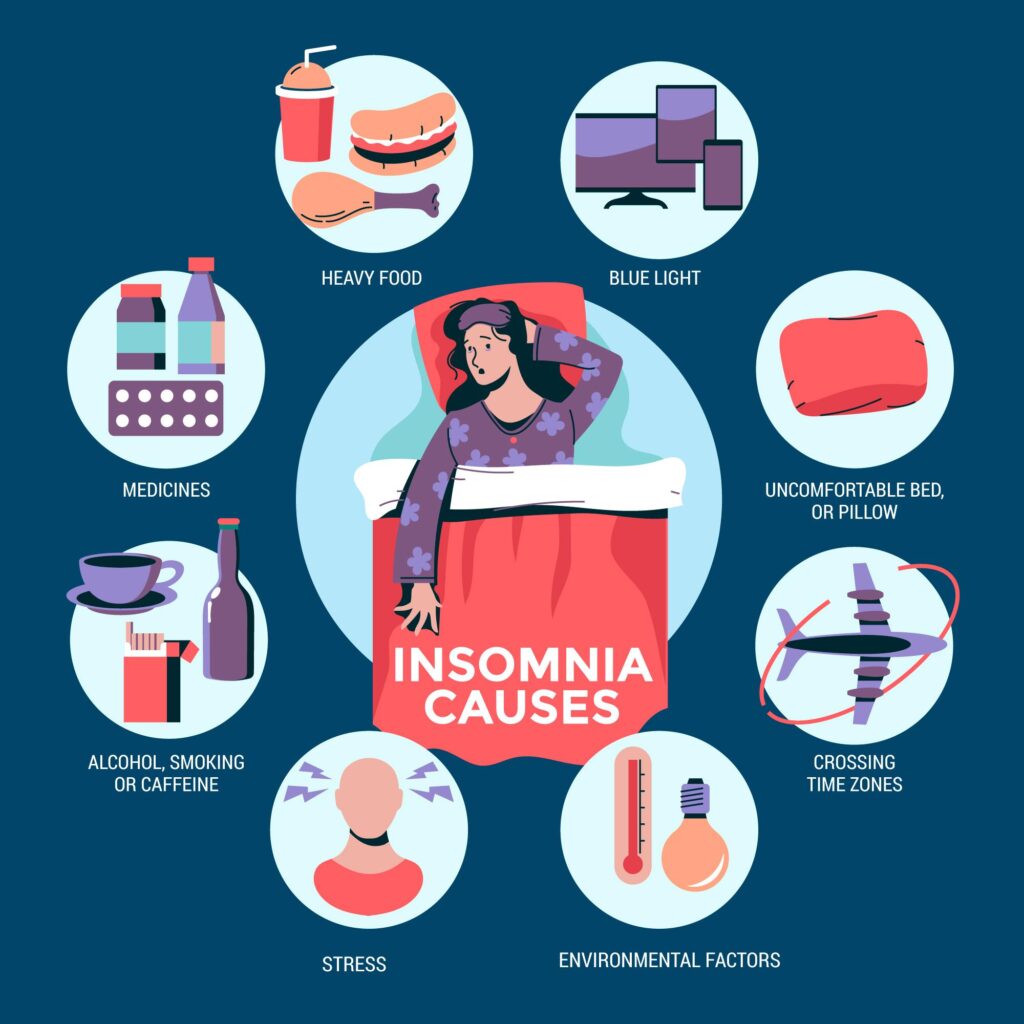
Several specific sleep conditions frequently contribute to diminished sexual interest in men:
Insomnia: This common sleep disorder serves as an independent risk factor for sexual dysfunction. Men with insomnia experience disrupted sleep architecture that interferes with hormonal regulation.
Obstructive sleep apnea (OSA): This condition, characterized by repeated breathing interruptions during sleep, is associated with significantly higher rates of erectile dysfunction. Even mild OSA can impact sexual function by fragmenting sleep and increasing stress hormones.
Shift work disorder: Men working non-standard hours experience disrupted circadian rhythms, which in turn create hormonal imbalances. Interestingly, these men demonstrate more significant symptoms of hypogonadism despite having similar testosterone levels to men with regular sleep schedules.
Chronic fatigue syndrome: This condition causes extreme exhaustion lasting six months or longer that isn’t relieved by rest, often accompanied by reduced sexual interest.
Sleep and testosterone production
The relationship between sleep and testosterone follows a predictable pattern. Testosterone production begins rising at sleep onset and reaches its peak during the first REM sleep cycle. Consequently, disrupted sleep directly impacts hormone production.
Research confirms this connection. One study found that just one week of sleeping less than five hours per night decreased testosterone levels by 10-15% in young healthy men. This reduction is equivalent to aging 10-15 years in terms of testosterone decline.
The timing of this impact is noteworthy—testosterone levels drop most significantly between 2 PM and 10 PM following restricted sleep, precisely when many couples typically engage in sexual activity.
Additionally, cortisol (the stress hormone) increases during sleep deprivation. This hormone directly inhibits testosterone production, creating a hormonal environment unfavorable for sexual desire.
Improving sleep to boost sex drive
Fortunately, improving sleep quality can reverse these effects. Consider these practical approaches:
- Maintain consistent sleep timing by going to bed and waking up at the same times daily
- Create an optimal sleep environment with temperatures between 60-67°F, blackout curtains, and noise control
- Eliminate screens at least 30 minutes before bedtime to avoid blue light exposure
- Limit substances that interfere with sleep, including caffeine, alcohol, and nicotine
- Seek treatment for underlying sleep disorders like sleep apnea
The payoff can be substantial—even one extra hour of sleep increases the chance of sexual activity the next day by 14%. Furthermore, proper sleep improves genital arousal, making sexual experiences more satisfying.
How stress interferes with sexual desire
Stress triggers the release of cortisol and adrenaline, hormones that prepare you for dealing with threats. Simultaneously, these hormones disrupt the balance of sex hormones like testosterone. This hormonal interference creates a biological barrier to sexual interest.
Physiologically, anxiety reduces erection quality by increasing sympathetic tone. High levels of anxiety have been directly linked to performance issues and poor sexual satisfaction. Undeniably, the relationship works both ways—sexual dysfunction often causes additional stress, creating a frustrating cycle.
Daily stressors ranging from financial concerns to work deadlines contribute to what researchers call a “foggy brain” state. This mental distraction makes it difficult to focus on pleasure or desire. A study examining daily stressors found they significantly predicted lower scores on sexual satisfaction for both men and women.
Stress management techniques for men
Reclaiming your sexual wellness requires proactive stress management:
- Relaxation practices: Deep breathing, meditation, or yoga activate your parasympathetic nervous system, directly countering stress effects
- Physical activity: Regular exercise releases endorphins that combat stress hormones
- Sleep hygiene: Establish a consistent sleep schedule to regulate hormone production
- Time management: Identify which chores or commitments can be delegated or eliminated
Rather than viewing sex and stress as separate domains, recognize their interconnection. Many men report that improving their stress management leads to naturally improved libido without other interventions.
When to seek professional help
Consider professional guidance if stress-related sexual issues persist after implementing self-help strategies. Signs indicating you might need additional support include constant fatigue, persistent anxiety, or feeling overwhelmed by daily activities.
Therapy options for stress-related sexual problems include:
Couples counseling helps address relationship stressors impacting intimacy. Individual therapy can teach personalized coping strategies. Sex therapy specifically focuses on performance anxiety that often accompanies stress.
Generally, taking action before stress becomes chronic offers the best outcome. Early intervention prevents the development of deeper sexual dysfunction patterns that become harder to resolve.
The role of self-esteem in sexual health
Sexual self-esteem—defined as “the tendency to positively evaluate one’s capacity to sexually relate to a partner”—significantly influences arousal and desire. Men with higher sexual self-esteem typically rate their sexual skills positively and consider themselves good sexual partners. Unfortunately, when self-esteem suffers, sexual function often follows.
Research demonstrates this connection conclusively. Men with sexual dysfunction commonly report reduced self-confidence both generally and during intimate encounters. Evidently, this relationship works both ways—sexual problems diminish self-esteem, which further compounds sexual difficulties.
Performance anxiety and its effects
Performance anxiety creates a cognitive distraction that pulls men out of the moment during intimate experiences. Common anxiety triggers include concerns about:
- Body appearance during intimacy
- Penis size perceptions
- Meeting a partner’s expectations
- Ability to maintain an erection
These worries trigger the release of stress hormones like epinephrine that narrow blood vessels—physically preventing sufficient blood flow for erections. Most importantly, this creates a troubling cycle: anxiety leads to performance issues, which intensify anxiety about future encounters.
Ways to improve self-confidence
Rebuilding sexual confidence requires addressing both physical and psychological aspects:
First, shift focus from perceived flaws to positive attributes and strengths in your relationship. Interestingly, research shows that while men worry extensively about their appearance during sex, their partners rarely notice these “imperfections”.
Second, redirect attention toward the sensations of pleasure rather than self-judgment. This mindfulness approach helps interrupt negative thought patterns that interfere with arousal.
Third, consider professional support if needed. Therapy can help overcome persistent negative body image or performance anxiety. Additionally, treating any underlying erectile issues may substantially improve self-esteem—one study found that men receiving effective ED treatment reported markedly higher confidence and relationship satisfaction.
Remember that sexual confidence develops gradually. Small steps forward can create momentum toward a more fulfilling intimate life.
How alcohol affects testosterone and libido
Even moderate alcohol consumption begins disrupting hormone production within minutes. Research shows testosterone levels can drop as quickly as 30 minutes after drinking alcohol. For healthy men consuming a pint of whiskey daily, testosterone levels begin declining by the third day, eventually matching those of men with chronic alcoholism.
The mechanism involves direct damage to the Leydig cells in the testes, which produce testosterone. Additionally, alcohol interferes with hormone-releasing factors from the hypothalamus and pituitary gland. Heavy drinking—defined as more than 15 drinks weekly—significantly increases risks of erectile dysfunction, low testosterone, and reduced libido.
Drugs that reduce sex drive
Opioids like morphine and heroin create particularly problematic sexual side effects. Men using these substances frequently develop opioid-induced androgen deficiency (OPIAD), characterized by decreased testosterone, reduced libido, fatigue, and bone density loss.
Methamphetamine presents a different pattern—small doses initially increase desire and delay orgasm, yet prolonged use leads to erectile difficulties, decreased sexual interest, and inability to reach orgasm. Intriguingly, studies of illicit drug abusers found 36.4% reported erectile dysfunction, with heroin users having 4.8 times higher risk than non-users.
Long-term consequences of substance use
Persistent substance use creates lasting sexual health impacts. Nearly 75% of men with advanced alcoholic cirrhosis experience testicular atrophy. Furthermore, half of heavy drinkers develop “spermatogenic arrest,” severely impacting fertility.
Unfortunately, these effects aren’t easily reversed. Studies reveal even moderate drinkers (3.5-7 drinks daily) show altered sperm maturation, whereas heavy drinkers (over 7 drinks daily) experience arrested sperm development in 20% of cases.
Recognizing these connections offers a powerful motivation—reducing substance use often naturally improves sexual function without requiring additional interventions.
Comparison Table
| Reason | Main Symptoms/Effects | Key Statistics/Prevalence | Primary Causes/Triggers | Treatment/Management Options |
|---|---|---|---|---|
| Low Testosterone Levels | – Erectile dysfunction\n- Decreased spontaneous erections\n- Delayed ejaculation\n- Fatigue and low energy | – Affects 40% of men over age 45\n- Levels below 300 ng/dL considered low | – Natural aging (1% decrease per year after 30)\n- Hormonal imbalances | – Testosterone replacement therapy (TRT)\n- Various administration methods (gels, injections, patches, pellets) |
| Side Effects of Medications | – Reduced libido\n- Erectile difficulties\n- Hormonal disruption | – SSRIs: 58-70% experience sexual side effects\n- 41.7% discontinue due to sexual side effects | – Antidepressants\n- Blood pressure medications\n- Pain medications\n- Hormonal treatments | – Timing adjustments\n- Dosage modifications\n- Alternative medications\n- Drug holidays when appropriate |
| Depression and Mental Health Disorders | – Reduced sexual interest\n- Performance anxiety\n- Difficulty with arousal | – 63% of men with major depression experience sexual dysfunction\n- 50% with untreated depression have sexual symptoms | – Neurochemical changes\n- Negative thought patterns\n- Fatigue\n- Reduced mindfulness | – Antidepressants with fewer sexual side effects\n- Cognitive behavioral therapy\n- Open communication with healthcare providers |
| Chronic Health Conditions | – Decreased libido\n- Erectile dysfunction\n- Reduced sexual satisfaction | – Diabetes: 50% affected under age 60\n- Heart conditions: 25-63% report decreased desire | – Physiological effects of illness\n- Psychological impact\n- Relationship changes | – Medical interventions\n- Sexual adaptations\n- Therapeutic support\n- Open communication |
| Sleep Disorders and Fatigue | – Reduced testosterone production\n- Decreased sexual interest\n- Lower arousal levels | – One week of <5 hours sleep reduces testosterone by 10-15%\n- One extra hour of sleep increases sexual activity chance by 14% | – Insomnia\n- Sleep apnea\n- Shift work disorder\n- Chronic fatigue | – Consistent sleep schedule\n- Optimal sleep environment\n- Screen time reduction\n- Treatment for underlying disorders |
| Stress and Anxiety | – Reduced sexual interest\n- Performance issues\n- Poor erection quality | – Ranked as #1 libido killer for many men\n- High anxiety directly linked to sexual dysfunction | – Work pressure\n- Financial concerns\n- Relationship issues\n- Daily stressors | – Relaxation practices\n- Regular exercise\n- Time management\n- Professional counseling |
| Low Self-Esteem and Body Image Issues | – Performance anxiety\n- Reduced sexual confidence\n- Cognitive distraction | Not specifically mentioned in article | – Body appearance concerns\n- Penis size worries\n- Partner expectations\n- Performance pressure | – Focus on positive attributes\n- Mindfulness techniques\n- Professional therapy\n- Treatment for physical issues |
| Substance Use and Alcohol | – Decreased testosterone\n- Erectile dysfunction\n- Reduced fertility | – 36.4% of drug users report ED\n- 75% with advanced alcoholic cirrhosis have testicular atrophy | – Direct damage to Leydig cells\n- Hormonal interference\n- Substance abuse | – Reduction or cessation of substance use\n- Treatment for addiction\n- Medical intervention for complications |
Conclusion
Understanding the underlying causes of low sex drive allows men to address these issues effectively rather than suffering in silence. Throughout this guide, we’ve examined eight key factors that significantly impact male libido – from hormonal imbalances and medication side effects to psychological barriers and lifestyle choices.
Many men experience multiple factors simultaneously, creating complex cycles that reinforce sexual difficulties. Low testosterone might trigger depression, which then leads to poor sleep, consequently lowering testosterone levels even further. Breaking this cycle often requires addressing several aspects at once.
Physical interventions alone rarely solve the problem completely. Men who undergo testosterone replacement therapy without addressing psychological factors like stress or body image concerns might see only partial improvement. Similarly, reducing alcohol consumption can naturally boost testosterone levels, but maximum benefits come when combined with stress management techniques and proper sleep habits.
Sexual health reflects overall wellbeing. Men experiencing persistent low libido should view this as a potential warning sign for other health concerns deserving attention. Early intervention not only improves sexual satisfaction but potentially prevents more serious health complications.
Speaking openly with healthcare providers about sexual concerns, though sometimes uncomfortable, remains essential for proper diagnosis and treatment. Remember that sexual health challenges affect millions of men – you’re definitely not alone in this struggle.
We recommend starting with the least invasive approaches first. Simple lifestyle modifications like improving sleep quality, managing stress, and reducing substance use often yield surprising benefits before medication becomes necessary. Additionally, addressing relationship dynamics and communication patterns with partners creates a supportive environment for sexual recovery.
Sexual wellbeing significantly impacts life satisfaction and relationship quality. Taking proactive steps toward understanding and addressing these hidden factors will help you reclaim not just your sexual confidence but overall quality of life.
FAQs
Q1. What are the primary factors contributing to low sex drive in men? Low testosterone levels, medication side effects, depression, chronic health conditions, and sleep disorders are among the main factors that can significantly reduce libido in men. Stress, anxiety, and substance use can also play a role in diminishing sexual desire.
Q2. How does sleep affect a man’s sex drive? Poor sleep quality and sleep disorders can directly impact testosterone production, which is crucial for male libido. Even one week of sleeping less than five hours per night can decrease testosterone levels by 10-15%. Improving sleep habits and addressing sleep disorders can help boost sex drive.
Q3. Can chronic health conditions impact sexual desire in men? Yes, chronic illnesses like diabetes, cardiovascular diseases, and kidney disease can significantly affect libido. These conditions can interfere with hormone production, blood flow, and overall energy levels, all of which are important for maintaining a healthy sex drive.
Q4. How do stress and anxiety influence male sexual function? Stress and anxiety trigger the release of cortisol and adrenaline, which can disrupt the balance of sex hormones like testosterone. This hormonal interference creates a biological barrier to sexual interest and can lead to performance issues, further compounding anxiety about sexual encounters.
Q5. What role does self-esteem play in male sexual health? Low self-esteem and negative body image can significantly impact male libido by creating performance anxiety and cognitive distractions during intimate moments. Improving self-confidence through therapy, mindfulness techniques, and addressing any underlying physical issues can help enhance sexual satisfaction and desire.